
What Does It Really Mean to Live With Dogs?
Jul 12, 2026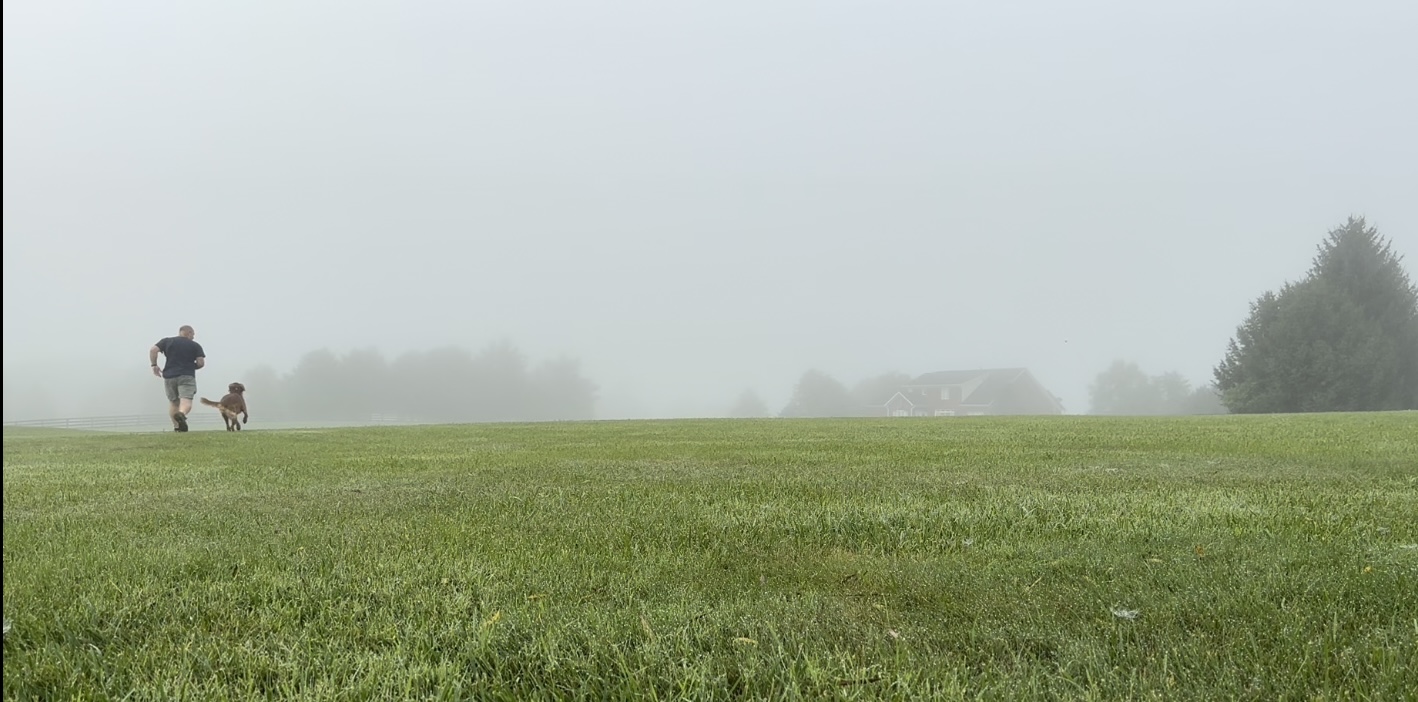
When I do a board and train at my business Top Dog Training Kentucky... it's a "living and learning" approach. The dog lives with me and my dogs, my family on my property and becomes part of my life. Some of these have been long term behavioral rehabilitations like Moses in the picture above, amputee, severe trauma from being hit by a vehicle and multiple prescriptions for various behavior meds. Over the years I've seen everything from dogs suffering the traumas of gunshot wounds...
from abuse and neglect...
from hunting traps...
from life in a dog meat farm...
to the average adolescent goofy lab that needs a good bit of structure.
Yeah, There is a focus on learning new skills like walking on a leash and recalls but good "training" goes deeper. I don't just force the "square peg in the round hole" by teaching obedience or "manage and medicate" the dog with baby gates and lickimats.
No, we figure out who the dog is and help them (and the humans) find purpose together.
See, the fact is for most of human history, dogs weren't pets.
They weren't hobbies, projects, social media handles or something measured by ribbons on a wall, titles or letters after their names, etc.
They were simply part of life. They had purpose. They traveled with us, worked beside us, shared our property and then our homes (and sometimes our bed), our journeys, sometimes our struggles and even our successes.
We used their natural traits and modified them to help us hunt, protect, herd, explore, and survive. In return, we gave them guidance, a place next to our fire and a role in our communities.
Somewhere along the way, many people stopped intentionally "living with dogs" and started simply managing them or trying to force them into a mold. We became consumed with solving problems instead of building relationships. We focused on obedience and a never ending series of tricks, instead of partnership. We spent more time forcing them into our lives through "more and more training", "more and more management" or "more and more meds" than just giving them the ability to experience life alongside us... together.
And while modern dog ownership has brought incredible advances in veterinary care (I've witnessed it firsthand over the years), nutrition, and training (witnessed that too), many people still find themselves asking a simple question...
"Why doesn't this feel like what I thought having a dog would be?'
The answer may be simple and right in front of us looking for a headscratch.
Because living with dogs is about way more than training dogs... it's about building a life together.
Dog training matters... regardless of what you see out there, it 100% does. In the mid 1990's I bought my first books on dog training... The Monks of New Skete's "How to Be Your Dog's Best Friend" and Karen Pryor's "Don't Shoot the Dog"... those books sent me down a path of understanding dogs that would become a career a couple decades later.
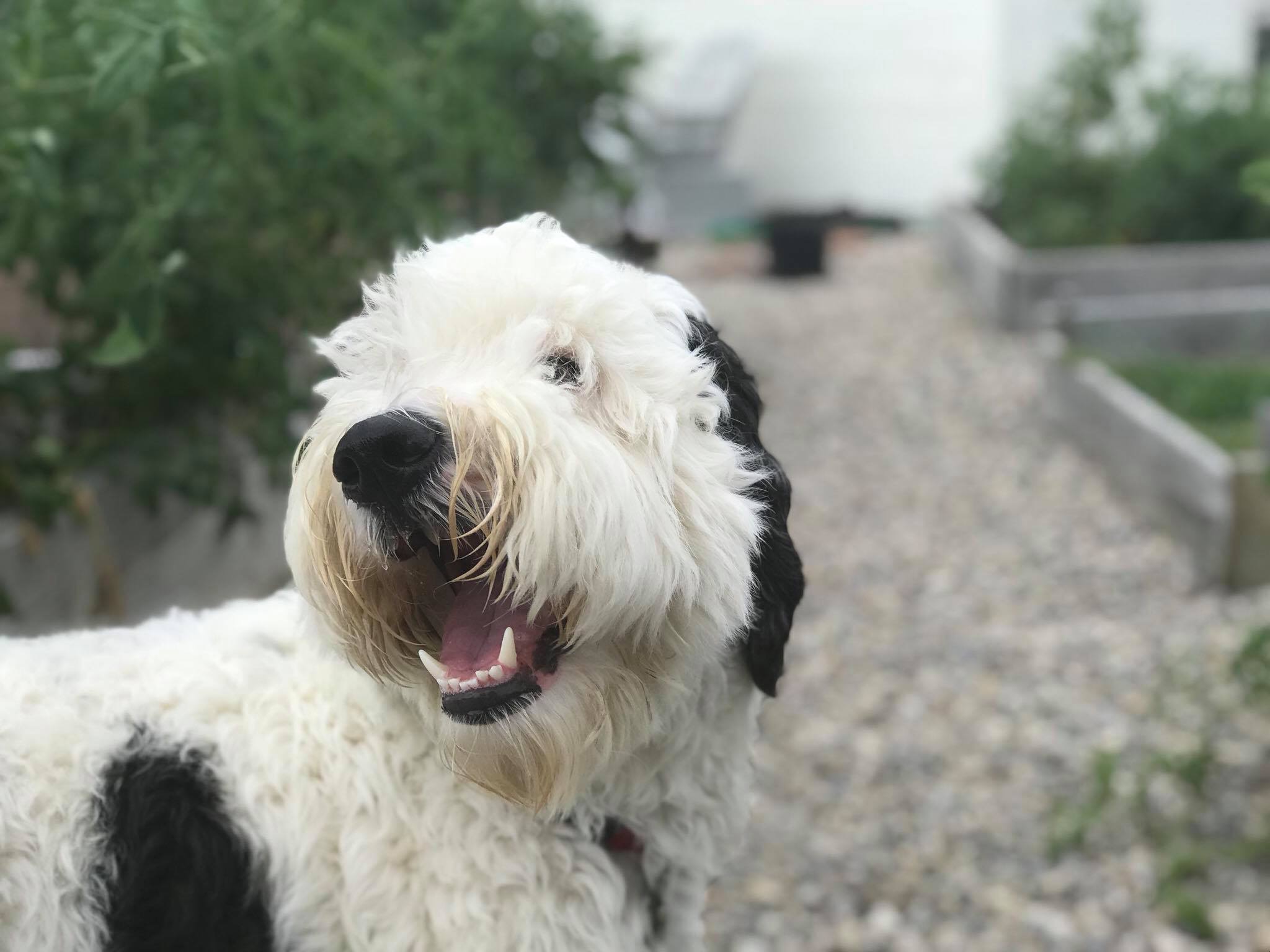
Why Training?
When done right training provides clarity. It helps dogs navigate the human world but training is not the destination... good training is simply a vehicle.
Too often, dog owners become trapped in a never-ending cycle of fixing behaviors. The "ooh, I have a command for that, and another one for that, and that" and so on.
The dog pulls on leash or has too much energy, so buy this collar, harness or take this medication and it'll solve the problem.
The dog barks at strangers. There's a collar for that too or a 10 step process to decrease the barking or as a client of mine was recently told "just pull the curtains shut and they become an inside dog."
The dog jumps on guests...the dog won't come when called... the dog chases squirrels... the dog won't settle... on and on and on and on.
Each issue becomes a project and each project becomes another goal. Before long, the entire relationship revolves around solving problems. The dog becomes a checklist and collection of behaviors to fix or medicate rather than a companion with whom to share life.
The reality is that even the best-trained dogs are still dogs.
They will make mistakes.
They will have good days and bad days. They will occasionally ignore us. They will occasionally surprise us. Yes, at some point they will roll in poop.
The goal is not perfection. The goal is participation.
When people imagine life with a dog, they rarely picture training sessions. They picture experiences. They picture things like walking through the neighborhood on a cool morning or watching a dog run through a field or even swim at a lake or the beach.
Instead of them practicing recalls, they imagine sitting with a dog relaxing around a campfire or trotting down a hiking trail, standing on a porch at sunset... road trips... family gatherings... quiet evenings at home. You get the picture (literally).
The moments that matter most are rarely about a command they responded to or the latest enrichment fad. They're about connection.
This is why I often say "we don't train the puppy we raise the puppy" and "we don't train the dog we learn to live with the dog"... training should support the life we are building, not become life.
The purpose of teaching a dog to walk politely on leash is not simply to create a position for others to gawk at. It's to make it easier to explore the world together and for times when the leash needs to be that method of communication.
The purpose of teaching recall is not to impress people at the park when you call them and they rocket to you. It's to create the ability for them to enjoy freedom with the safety of knowing they will move directly to you if needed.
The purpose of teaching a dog to "down" or "go to place" is not compliance. It's to allow peace inside the home or out a a cafe... if needed.
Every skill should ultimately serve a larger purpose... a bigger life and being part of ours.
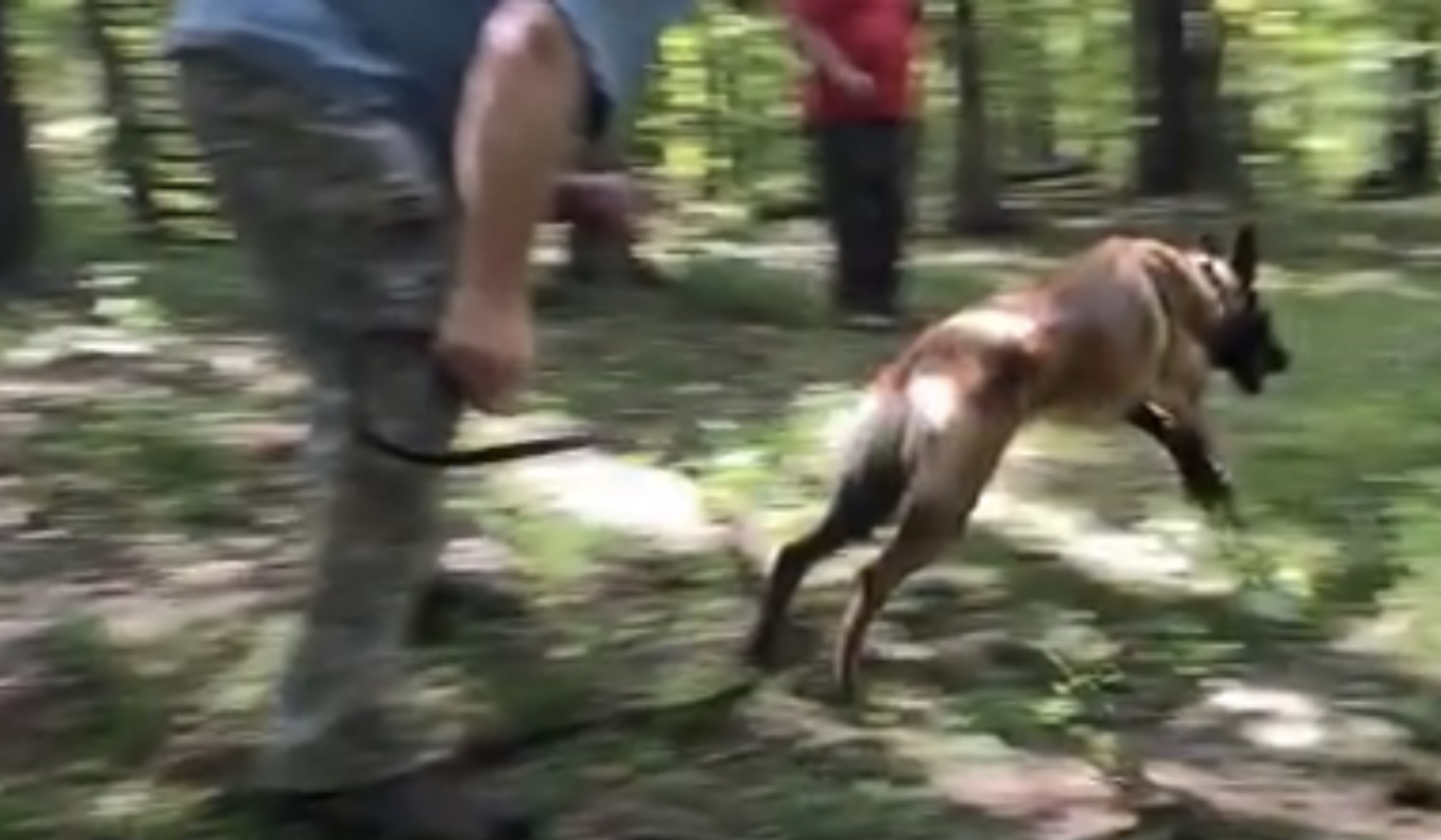
Just Exercise them More!
Also one of the most common misconceptions in dog ownership is the belief that dogs simply need more exercise. Certainly, exercise matters. But many dogs receive plenty of physical activity and still struggle. Why?
Because dogs require more than movement... they need purpose behind the movement.
A dog can run for miles and still lack purpose.
A dog can play fetch for hours and still feel disconnected.
A dog can attend training classes every week and still struggle to navigate daily life.
True fulfillment comes from a combination of needs being met.
These are physical needs, mental needs, social needs, environmental needs, and emotional needs... and in my "Living With Dogs" approach we address it ironically using the acronym N.E.E.D.S. (Nutrition, Enrichment, Exercise, Decompression and Support).
When we begin viewing dogs as biologically complex living beings rather than behavior problems, things change.
We stop going down the checklist of , "stopping behaviors" and begin building a bigger life for our dog to truly transforming the relationship we have.
Freedom is one of the greatest gifts we can give our dogs, but freedom is often misunderstood. Many people view freedom as the absence of rules... wrong, that's not freedom, that's chaos.
The opposite is true. Real freedom comes from preparation... appropriately and systematically relaxing rules as trust increases.
A dog who can walk with us calmly on leash enjoys more outings, a reliable recall allows for more off-leash opportunities and a dog that can settle joins more family activities.
Structure creates freedom. Skills create freedom. Trust creates freedom.
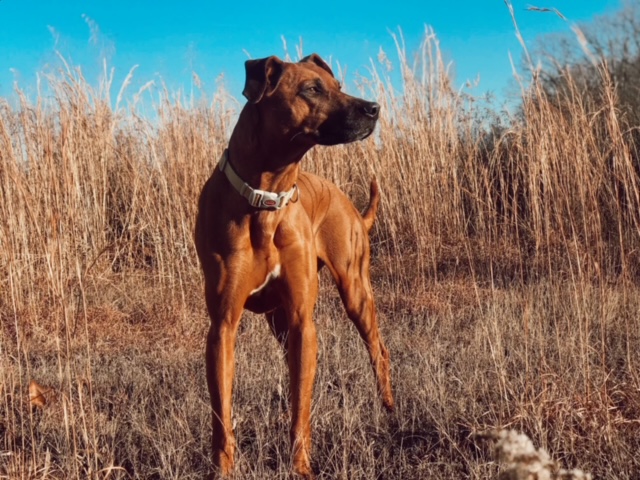
Freedom is Earned.
The irony is that dogs often experience more freedom as they learn to navigate the world successfully and freedom is not something we give them, it is something we earn together by building a relationship.
One of the most beautiful aspects of sharing life with dogs is that they can accompany us through every season of life.
Puppies teach us patience... my current one taught me that more than most others.
Adolescent dogs teach us the value of consistency... I'm there right now with the puppy I just mentioned.
Adult dogs teach us what true partnership is... I have that right now with my malinois Margot.
and senior dogs teach us gratitude and what real heartache feels like (and an allergy induced "no comment").
The relationship constantly evolves... the goals change... the adventures change... the pace changes.
The things that once seemed important become less important and the fact that most dog owners realize that the memories they have are about quiet times, adventures outside and have little to do with teaching obedience skills.
You remember the hikes, the vacations, the road trips, the mornings, the sunsets, the companionship, and even the times they really frustrated you (like this week when Margot cornered a skunk and we both paid the price because I had to bathe her).
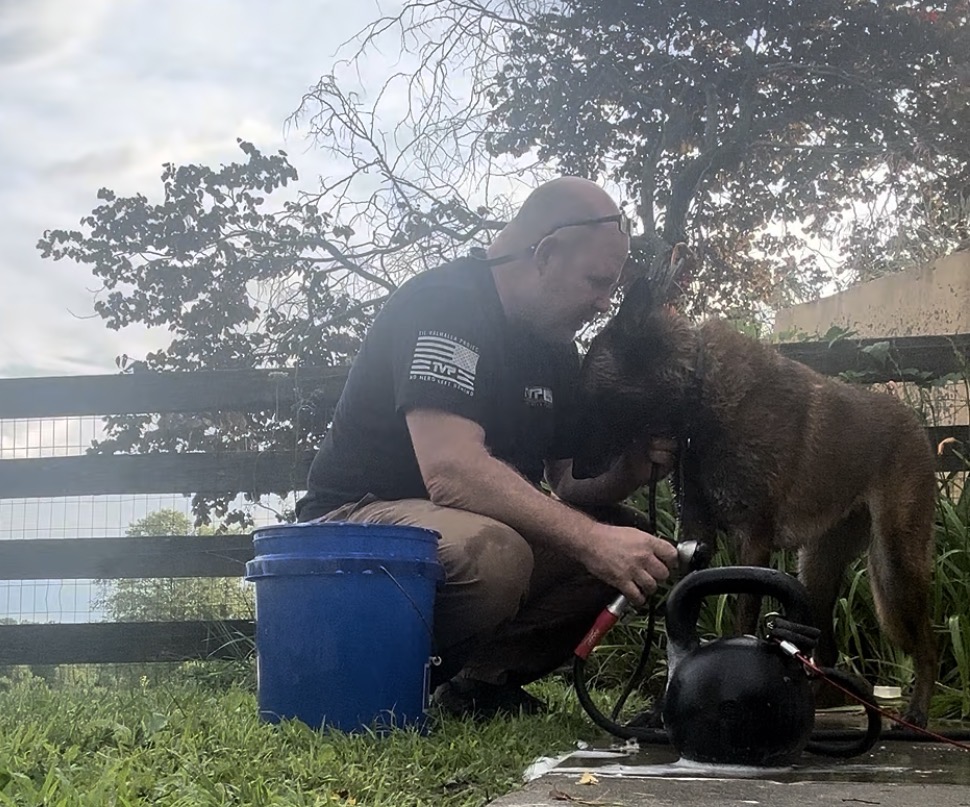
Let's Work on Living with Dogs.
Intentionally living with dogs and being present has a remarkable ability to anchor us. They don't dwell on yesterday or worry about tomorrow. They simply participate in life.
They change us. They encourage us to exercise. They help us meet neighbors. They push us outdoors. They teach us routine, responsibility, patience and reveal our strengths as well as expose our weaknesses. Good training starts there... the human.
In my experience a confident human creates a calmer dog. Clarity in the behaviors of the human creates clarity in the dog.
Living with dogs is not simply about sharing space.
It's about respecting the dog next to us and building a life together.
The rat race often encourages us to chase outcomes... finish the course... earn the title... reach the goal... fix the problem... blah blah blah.
Since dogs only live a fraction of our lives... they can give us the gift of learning that it's the journey that matters.
When we focus on 'living with dogs" then the walk, hike, afternoon spent together and even the training session can matter... ordinary matters.
For me, living with dogs means building a life where dogs are not separate from it... they are an integral part of my day.
It means recognizing that the goal isn't to create the perfect obedient dog or spoil and give the dog a life without stress or fear.
The goal is to share our complex, imperfect lives and provide the skills they need to navigate that complex life beside us.
So lets sum up what does it really mean to live with dogs?
It means seeing dogs as our partners rather than pet projects.
It means valuing shared experiences over drilled perfection.
It means building welfare by balancing both freedom and control.
It means creating a life that we can both enjoy.
Learning to "live with dogs" is recognizing that our dogs will never be with us long enough.
Each year Spring turns to Summer and then Winter is here in no time. The years pass way to quickly. Muzzles turn gray and movement slows down leading to the day that sucks. I'm getting allergies again writing this because that day is coming soon for one of ours.
When that day comes, nobody wishes they had focused more on that tight heel, the perfect sit or had more trazadone, baby gates and lickimats.
We just want more time to go on adventures together.
So make the commitment to really LIVE with your dog while you can and let's help them together.
Because in the end, the intentional practice of LIVING WITH dogs is what it is all about.
Until next time,
John
